How Invisalign Helps Correct Bite Problems
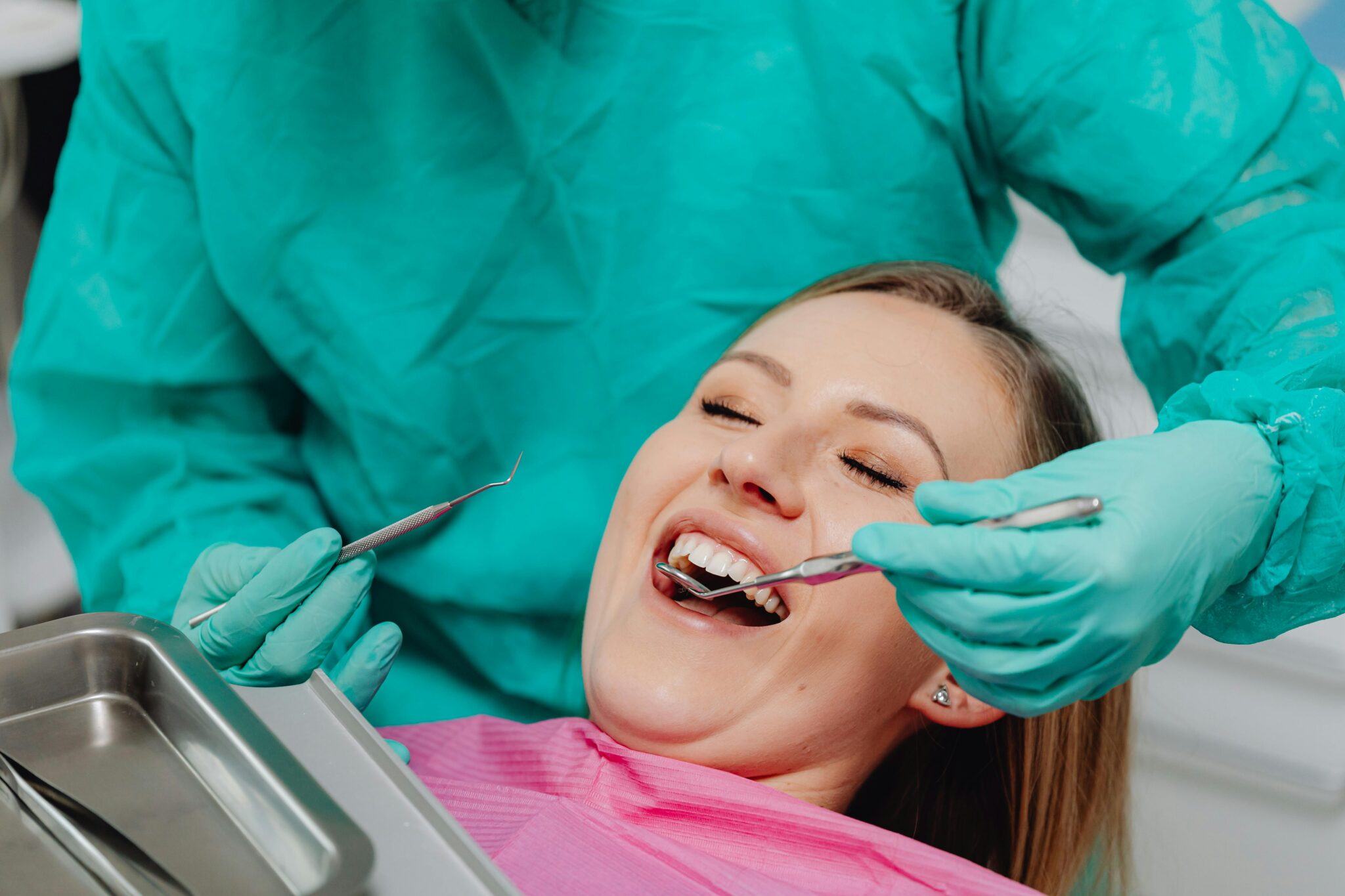
When most people think about Invisalign, they picture straighter front teeth https://franciscoozap383.zenbloomer.com/posts/how-to-budget-for-invisalign-treatment and a more discreet alternative to braces. What often gets missed is the bigger functional story. In many cases, Invisalign is not just about lining up a crooked smile. It is also used to improve the way the upper and lower teeth fit together, which is what dentists and orthodontists mean when they talk about a bite.
That distinction matters. A bite problem can affect appearance, but it can also influence chewing, speech, enamel wear, jaw comfort, and long term dental health. I have seen patients come in focused on one tooth that looks “off,” only to learn that the real issue is a deeper mismatch between the arches. Once that bite is corrected, the smile looks better, but just as important, the teeth function more smoothly and predictably.
Invisalign can be a very effective tool for certain bite problems. It is not a magic fix for every case, and it does have limits. Still, with proper diagnosis, a solid treatment plan, and good patient compliance, clear aligners can do far more than many people realize.
What a bite problem actually means
A healthy bite is not just about the teeth appearing straight in a photo. It is about how the upper and lower teeth contact each other when you close, chew, and move your jaw side to side. When that contact is off, it can show up in different ways.
An overbite, for example, means the upper front teeth overlap the lower front teeth more than they should. An underbite is the reverse, where the lower teeth sit in front of the upper teeth. A crossbite happens when some upper teeth bite inside the lower teeth instead of outside them. An open bite leaves a vertical gap between upper and lower teeth when the back teeth are together. Crowding and spacing may look like cosmetic problems, but they often tie directly into bite function as well.
Not every imperfect bite causes pain or immediate damage. Some people live for years with a mild issue and never think much about it. Others start seeing chipped edges, gum recession, sensitivity, jaw fatigue, or uneven wear in their twenties or thirties. The mouth adapts until it cannot compensate as well anymore.
That is one reason bite correction deserves more attention than it usually gets. Straight teeth are nice. A balanced bite is what helps protect those teeth over time.
Why bite correction is often more complex than it looks
Teeth do not move in isolation. Changing one contact point can influence several others. If you rotate a crowded canine into position, for instance, you may also change how the back teeth meet. If you retract front teeth to reduce protrusion, you may affect overjet, lip support, and the way the lower jaw settles into closure.
This is where experienced planning matters. Invisalign treatment is designed in stages. Each aligner makes small, controlled movements, and those movements need to be sequenced intelligently. When a clinician is treating a bite problem, they are not only trying to move individual teeth into neat rows. They are trying to guide the arches into a more stable relationship.
In real practice, that often means deciding what matters most. One patient may need space created to relieve crowding without flattening the profile. Another may need posterior teeth extruded slightly to help close an open bite. Someone else may need lower arch expansion within safe limits so a crossbite can be corrected without over-tipping the teeth. There is judgment involved. The software is useful, but the plan still depends on the clinician reading the case correctly.
How Invisalign moves teeth to improve a bite
Clear aligners work by applying light, consistent force to teeth over time. Each tray is shaped a little differently from the last, and that progression encourages the teeth to shift gradually. The principle is the same as braces, but the delivery system is different.
For bite correction, the value of Invisalign lies in controlled tooth movement combined with detailed digital planning. Attachments, which are small tooth-colored shapes bonded to specific teeth, give the aligners more grip. Precision cuts may allow the use of elastics, which can help guide jaw-tooth relationships in the same way elastics are used with braces. In certain cases, tiny programmed changes in the thickness and fit of the aligners can also help with vertical control and posterior settling.
A simple example is a mild to moderate deep bite. If the upper front teeth overlap the lowers too much, the treatment plan might intrude some front teeth, extrude select posterior teeth, or coordinate both arches so the overlap becomes more proportional. That does not happen all at once. It happens through dozens of small movements, each building on the last.
For a crossbite, the aligners may widen one arch modestly, tip or translate certain teeth, and coordinate the arch forms so the upper teeth come back outside the lower teeth where they belong. For an open bite, the plan may focus on bringing front teeth together while controlling tongue habits and posterior eruption. For an overjet issue, often described by patients as “buck teeth,” the upper teeth may be retracted and the lower teeth advanced into better alignment, sometimes with elastics if the case requires more anteroposterior correction.
The important point is this: Invisalign does not “snap” a bite into place. It reshapes the path tooth by tooth, tray by tray.
Which bite problems Invisalign handles well
In properly selected cases, Invisalign can do excellent work with many common bite concerns. Mild to moderate crowding with a related bite imbalance is often very manageable. Deep bites can respond well, especially when the treatment plan controls the front teeth and posterior support carefully. Crossbites involving teeth rather than major skeletal discrepancies are frequently treatable. Mild to moderate overjet can improve significantly. Some open bites, particularly dental open bites rather than severe skeletal ones, can also respond well.
Where people get confused is in assuming every bite problem is just a tooth positioning problem. It is not. Some bite issues are primarily skeletal, meaning they reflect the size, shape, or position of the jaws rather than just the teeth. In those cases, aligners can still help, but they may only camouflage the discrepancy rather than fully correct it.
That distinction comes up often with pronounced underbites, severe overjets, asymmetries, and significant vertical discrepancies. A patient may look online, see a success story, and assume the same approach will work for them. Sometimes it will. Sometimes the honest answer is that braces, growth modification in younger patients, tooth extractions, or orthognathic surgery may be better options.
A good orthodontic consultation should sort out that difference quickly. The question is not whether Invisalign is popular or convenient. The question is whether it is the right biomechanical tool for the anatomy in front of you.
The role of attachments, elastics, and refinements
Many patients imagine Invisalign as a series of plain, invisible trays. That image is only partly true. For simple alignment, the trays may look relatively straightforward. For bite correction, treatment is often more involved.
Attachments are common. These small composite shapes help the aligners engage the teeth and produce more precise movement. They may be rectangular, beveled, or shaped for a specific force pattern. Most people adjust to them quickly, though they can feel a bit rough for the first few days.
Elastics are another important part of treatment for many bite cases. These small rubber bands connect upper and lower trays through precision cuts or bonded buttons. They are especially useful when the goal is to improve front to back relationships. I have seen patients surprised by this because they assumed choosing Invisalign meant avoiding anything “brace-like.” But elastics can make the difference between a cosmetic straightening case and a truly functional bite correction.
Refinements are also normal. After the first series of trays, the clinician reassesses the tooth positions, bite contacts, and tracking. If certain movements are incomplete, or if the occlusion needs further detail work, a new scan is taken and additional aligners are made. Patients sometimes worry this means something went wrong. More often, it means the treatment is being finished carefully instead of rushed. Teeth do not always move exactly like they do on a screen, particularly in complex bite cases.
Why patient compliance matters more with aligners
This is one of the clearest trade-offs between Invisalign and braces. Braces are fixed to the teeth. They keep working whether the patient is motivated or not. Invisalign only works when it is worn.
For bite correction, that usually means wearing the trays around 20 to 22 hours a day. Taking them out for meals and cleaning is fine. Leaving them out for half the evening, wearing them only at night, or forgetting elastics regularly can stall the movements that matter most. Front teeth may still look a little straighter, which creates a false sense of progress, while the bite correction lags behind.
This is why adult patients often do very well with Invisalign. They understand the routine, they are invested in the outcome, and they tend to follow instructions. Teenagers can also do well, but success depends more heavily on consistency. I have seen cases where the aligners themselves were beautifully planned, yet the result dragged on for months because wear time was erratic.
That does not make Invisalign inferior. It just makes it less forgiving.
Bite correction is not only about appearance
One of the most satisfying parts of treatment is seeing patients notice changes they did not expect. They may start out saying they just want a more even smile. Midway through treatment, they mention that chewing feels easier, they are no longer biting the inside of their cheek, or the front edges of the teeth are not clashing the way they used to.
There are practical benefits to a better bite:
- Chewing often becomes more efficient and comfortable.
- Uneven wear on enamel may slow down.
- Crowded areas can become easier to clean.
- Certain speech issues linked to tooth position may improve.
- Restorative work such as bonding, veneers, or crowns may become more predictable afterward.
None of that means every headache, every jaw click, or every facial pain problem will disappear once the bite is adjusted. The relationship between occlusion and temporomandibular disorders is more nuanced than marketing materials sometimes suggest. Some jaw symptoms improve with orthodontic treatment, some do not, and some require a separate diagnosis entirely. A responsible provider should be direct about that.
Still, from a dental health standpoint, there is real value in distributing forces more evenly and reducing traumatic contacts where possible.
Where Invisalign has limits
The marketing around clear aligners can make them sound nearly universal. In skilled hands, they are versatile, but they are not unlimited.
Severe skeletal discrepancies are the biggest boundary. If the upper and lower jaws are fundamentally mismatched, moving the teeth alone may not create an ideal outcome. Significant rotation of certain teeth, large vertical changes, and major bodily movement of roots can also be more challenging with aligners, depending on the case. Some of these movements are possible, but they may be slower, less predictable, or require auxiliaries.
There is also the issue of expectations. A patient may want an absolutely perfect bite with no visible hardware and the shortest timeline possible. Those goals do not always coexist. Sometimes braces provide finer control. Sometimes a hybrid approach makes more sense. Sometimes the right answer is to accept an improvement rather than pursue a textbook ideal that would demand much more intervention.
That is not a weakness in treatment. It is good clinical judgment.
The diagnostic phase matters as much as the trays
If there is one point patients underestimate, it is this one. Successful bite correction starts before the first aligner is made. The exam should include photographs, digital scans or impressions, and usually radiographs. The provider needs to evaluate not just crowding and spacing, but facial proportions, jaw relationships, periodontal health, existing restorations, wear patterns, and any history of grinding or jaw symptoms.
Two patients can look similar at a glance and need very different plans. One deep bite may be mostly dental and improve predictably with aligners. Another may be tied to skeletal growth pattern, short lower facial height, or a heavy bite force that affects retention later. One crossbite may be solved with straightforward arch coordination. Another may reflect a narrow upper jaw that in some age groups may call for expansion beyond what aligners alone can realistically provide.
This is why the consultation should feel specific. If the plan sounds generic, that is a red flag.
What treatment tends to feel like day to day
Most bite correction cases with Invisalign do not hurt in the dramatic sense patients fear, but they do create pressure. Each new tray usually feels snug for a day or two. Teeth may feel tender when chewing. Attachments can make tray removal awkward at first. Elastics require practice. Speech sometimes changes slightly in the beginning, though most people adapt quickly.
The routine is what challenges patients more than the discomfort. You remove the aligners to eat, brush before putting them back in, keep track of wear time, switch trays on schedule, and attend periodic reviews. For someone organized, this becomes habit. For someone who snacks frequently or has an unpredictable day, it can be tiring.
Still, many people prefer that trade-off to fixed braces. They like being able to remove the trays for photographs, presentations, dates, or meals out. Adults in client-facing roles often find that especially appealing. And because bite cases can run many months, sometimes well over a year, the cosmetic discretion matters more than patients expect at the start.
How long bite correction with Invisalign usually takes
There is no single timeline. A mild alignment issue with minor bite refinement may take several months. A more involved bite correction case can take 12 to 24 months, sometimes longer if refinements are extensive or compliance has been inconsistent.
What affects timing most is the complexity of movement, the need for elastics or auxiliaries, how well the teeth track with the aligners, and whether the patient wears them as prescribed. Biology also varies. Some people respond smoothly. Others need more course correction.
One thing worth noting is that visible cosmetic improvement often arrives before the bite is fully settled. Patients may feel “done” when the front teeth look straight, even though the back teeth still need detailing. That is exactly when staying the course matters most. Finishing the bite well is what makes the result more stable and functional.
Retention is where many people undo good work
Teeth have memory. After orthodontic movement, they tend to drift unless they are retained. This is true whether treatment is done with braces or Invisalign, but patients who have worn removable aligners sometimes underestimate how important retainers are afterward.
Once a bite has been corrected, retention preserves both the cosmetic and functional gains. If retainers are skipped, front teeth can crowd again, but bite changes can also creep back in subtler ways. A small relapse in one area may reopen an old interference somewhere else.
A typical retention plan may involve full time wear initially, then nighttime wear long term, though exact protocols vary by case and provider. Some patients also benefit from fixed retainers on select teeth. Retention should never be treated as an afterthought. It is part of treatment, not something extra.
Choosing the right provider matters more than choosing the brand
The word Invisalign is familiar, and for many patients it becomes shorthand for clear aligner treatment in general. But a successful outcome depends less on the logo and more on the clinician designing and managing the case.
That is especially true for bite correction. A provider needs to understand occlusion, biomechanics, and case selection. They need to know when aligners alone are appropriate, when elastics are essential, when interproximal reduction makes sense, and when a case should be referred or treated differently. They also need to monitor progress and make adjustments when real life tooth movement differs from the digital plan.
If you are considering Invisalign for a bite issue, a worthwhile consultation should cover a few practical points:
- What type of bite problem do you actually have?
- Is it primarily dental, skeletal, or a mix of both?
- What can Invisalign realistically correct in your case?
- Will attachments, elastics, or refinements likely be needed?
- What are the alternatives if aligners are not the best choice?
Those answers should be specific, not vague reassurances. A good provider will explain both the upside and the limits.
The real value of Invisalign for bite problems
At its best, Invisalign offers something patients genuinely value: a way to address many bite issues with a treatment option that is discreet, removable, and clinically effective. For the right case, that combination is hard to beat.
It gives clinicians a precise planning platform, and it gives patients more flexibility in daily life than traditional braces. It can improve overbites, crossbites, open bites, spacing-related bite issues, and many cases of crowding that affect function. It can also prepare the mouth for future restorative dentistry by putting teeth in healthier, more usable positions.
But its real strength is not that it replaces every other method. Its strength is that it expands what is possible for the large number of patients whose bite problems fall into the broad middle ground, too significant to ignore, but not so severe that they require surgery or highly complex fixed mechanics.
When those cases are diagnosed carefully and managed well, the change can be more than cosmetic. Patients often end treatment with teeth that not only look straighter, but meet better, wear more evenly, and feel more comfortable in everyday use. That is the difference between aligning a smile and actually improving a bite.
Omni Dental Specialty
Address: 1690 E Gonzales Rd, Oxnard, CA 93036
Phone number: +18053666000
FAQ About Invisalign
How much does Invisalign actually cost?
The out-of-pocket cost for Invisalign typically ranges between $3,000 and $8,000, with most patients paying a national average of roughly $5,100 to $5,700 before insurance.
What is the downside to Invisalign?
The biggest downsides to Invisalign are the intense discipline required to wear the trays 22 hours a day, the inconvenience of removing them to eat or drink, and the inability to fix severe, complex orthodontic issues.
Is $5000 a lot for Invisalign?
No, $5,000 is not considered a lot for Invisalign; it is exactly the national average. Treatment costs typically fall between $3,000 and $8,000, and $5,000 is the standard fee for a moderately complex case that takes 6 to 18 months to complete.